


The Interplay of Huzun and Feminine Identity in Contemporary Culture

Destiny is projected as the wall beyond which one cannot venture. It is the ultimate defeat.
Sadashiv Amrapurkar’s (he plays a brothel Madam called Maharani) lines from the movie “Sadak” send chills down the spine after decades: “तेरी तकदीर में तो सिर्फ वेश्या बनना लिखा है। भगवान ने चाहा तो टॉप की रंडी बनेगी तू।” (You are destined to be a prostitute. God willing, you will reach the top in your profession).
The world’s oldest profession is not a chosen one. Many who were unwillingly trapped in it accepted it as their destiny as the escape doors were sealed. It led to a lot of soulful, melancholic poetry. The female protagonists from Pakeezah and Umrao Jaan depict that melancholy.

Hüzün, in Islamic philosophy and Sufi mysticism, is more than sadness. It is a collective melancholy — a spiritual condition of resignation and yearning. Orhan Pamuk described it as the “spiritual state of Istanbul,” where sorrow became identity. This concept offers a powerful lens to understand the plight of women in patriarchal societies: centuries of suffering absorbed as destiny, yet also carrying the seeds of rebellion.
Historical Context of Hüzün
In Pamuk’s Istanbul, the decline of Ottoman grandeur left behind ruins, neglected mansions, and faded memories. Citizens did not resist this melancholy; they embraced it as part of who they were. Hüzün became a cultural constant, dignifying sorrow rather than solving it.
Women across the world have lived a parallel story. Patriarchal structures taught them to accept suffering as fate — silence as survival, endurance as virtue. Their grief, like Istanbul’s ruins, became normalised, woven into identity.

The ones that ruled were exceptions rather than a norm. Those who excelled at something did so within imposed limitations.
During my teen years, I remember a girl in the same age group who would counter all my suggestions with “This is not acceptable in our society.” (आमच्या समाजात चालत नाही). Her unwillingness to challenge the diktats irritated me, but to no avail. The indoctrination of her belief system was deep.
Others incorporated a Dupatta in their outfits as we set foot on the college campus for the first time. No questions asked. It just became a style statement of the conservative kind.
Women’s Plight in Patriarchal Structures
Patriarchy weaponises destiny. From cultural narratives to cinematic villains like Maharani in Sadak, women are reminded that misery is their ordained path. It is a reflection of how societies enforce fatalism.
Generations of women internalised this script: pain as inevitable, silence as duty, endurance as destiny. Hüzün explains this acceptance — sorrow dignified, but immobilising.
My mother once said with great pride, “A woman will get out of her coffin to cook, if a man comes home hungry.” I still shudder at the identity she had built for herself.
Another lady from the same generation said that screaming during labour pain was a matter of shame. A woman needs to endure. Endure her power to give birth rather than express or declare or celebrate it?
The Dual Nature of Hüzün
Yet hüzün is never only resignation. In Sufi thought, it is also yearning — a restless dissatisfaction with distance from divine closeness. This duality explains both endurance and rebellion.
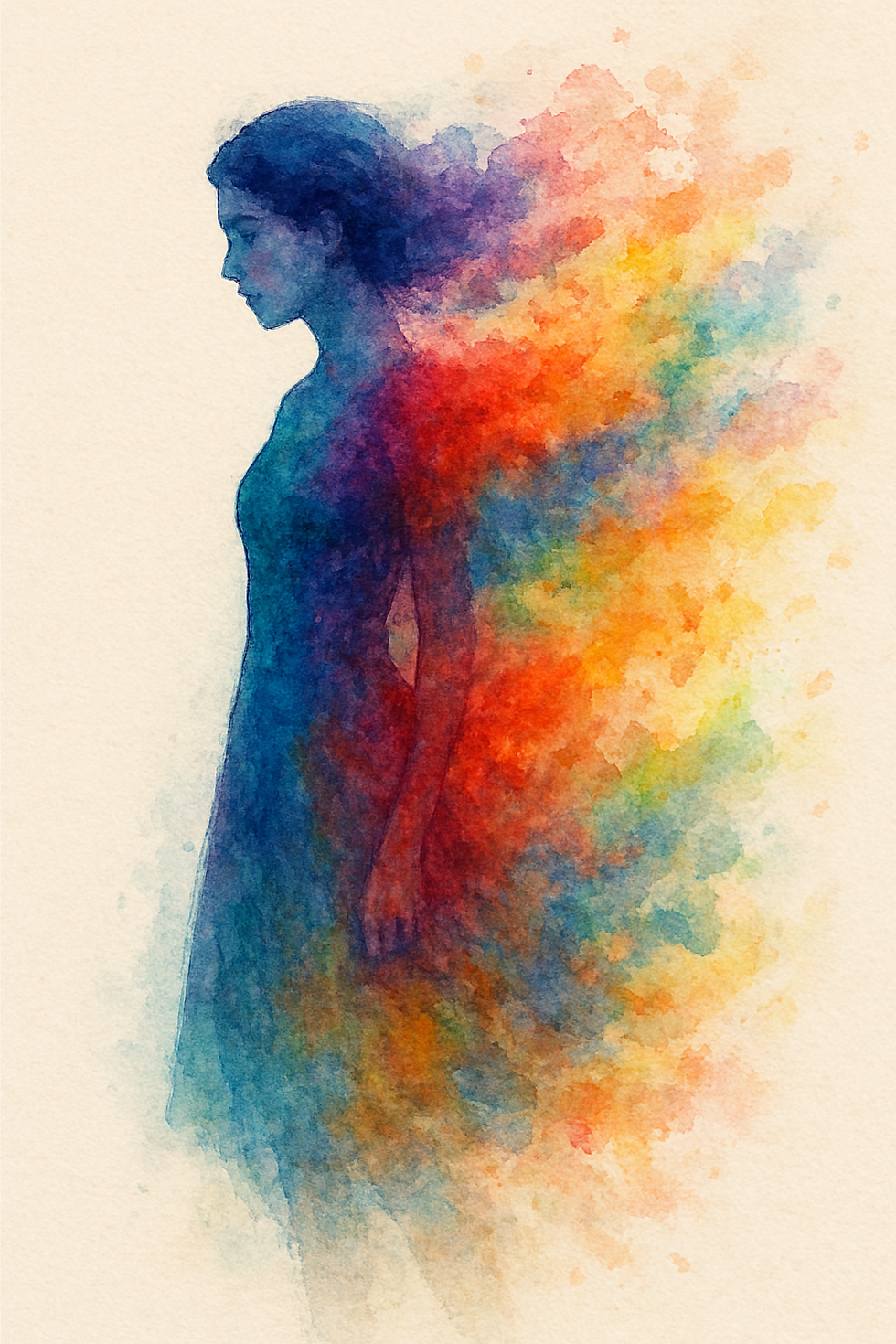
For women, hüzün meant centuries of silent suffering. But it also carried a hidden ember: the longing for dignity, justice, and freedom. That ember awaited ignition.
A Revolution in the Making
Today, certain dastardly crimes committed by women embody the restless side of hüzün. Unlike the protagonists in Devdas, they refuse to let sorrow calcify into destiny. They rise in defiance, even if they face death sentences at the other end. They dare to raise a middle finger while being dragged from one prison to another.
It leaves us wishing for a gentler version of change, but a denial of decision-making power empowers the not-so-gentle aspects.
Where older generations endured, they disrupt and send shock waves across the social fabric. Their chants, hashtags, and marches are the refusal of fatalism — the insistence that destiny can be rewritten. Hüzün becomes not a prison, but fuel for resistance.
Hüzün is the thread connecting past resignation with present rebellion — sorrow absorbed as fate, then transfigured into awakening.
Conclusion
Hüzün teaches us that sorrow can be both burden and bond. For women in patriarchal societies, it explained the endurance of misery as destiny. But it also carried the seed of awakening.
Feminist content shows that collective grief need not remain passive. It can be transformed into solidarity, resistance, and liberation.
The lesson of hüzün is clear: destiny is not fixed. Within every sorrow lies the restless ember of change.

Comments